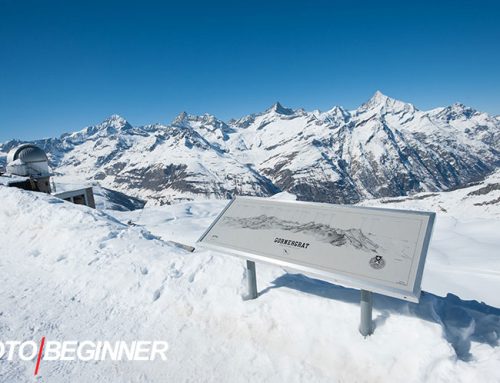
One of the most interesting things about photography is that it can show three-dimensional space on a two-dimensional plane. It shows height, width, and depth. To achieve this effect, composition is very important. I will explain to you one of the common techniques of framing; prospects.
What’s the Future?
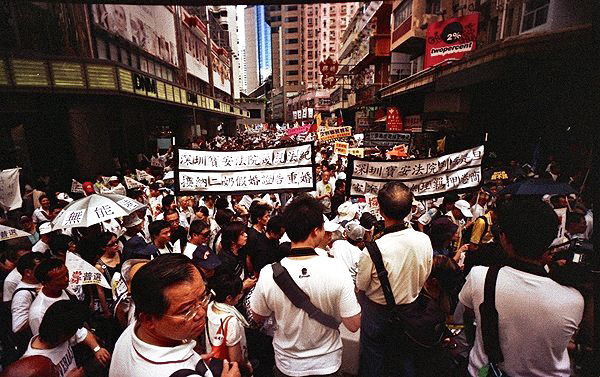
Foreground is a factor that cannot be ignored in photographic composition. As part of a photo, they can highlight the subject and add depth to a photo. Therefore, in the composition of a photo, the correct use of the foreground and background can make the scenes look more harmonious and unified, and thus more contagious. To achieve this simulation effect, some foregrounds must be used to create an illusion, making the photos have more space and depth.
By Tree Chow
How to Use the Foreground
1) Guide the Subject
The most common is to use the foreground to direct the viewer’s gaze to the subject. Using a wide-angle lens to match the foreground can also exaggerate the sense of space and depth. However, the foreground is best at guiding your sight. For example, the use of a gentle mountain road to lead to a village or a row of trees to lead to a high tower.

By Tree Chow
2) Strengthen the Contrast
You can include black objects or silhouettes in the foreground of the photo, this creates a strong contrast and emphasizes the background. For example, in the image below, the black stones in the foreground are used to highlight the sky behind, making a very sharp composition.

By Tree Chow
3) Add Some Fun
When taking landscape photos, anything can be used to add interest to the foreground, giving the photos a sense of depth. They can be trees, animals, buildings, or vehicles but they must be related to the entire picture. Otherwise, the picture will become inconsistent and rigid. The figure below uses wooden stakes as the foreground, successfully bringing out the distance behind the sky, and also making the composition no longer monotonous.

By Chi Yuen
Special Effect
1) Wide-angle Lens
Shooting in wide-angle and low-angle, and the distortion produced by the lens for the foreground can more interesting. In the following example, the author used this technique to capture the feeling of heaven and earth being connected. At the same time, it also enlarged the water surface as a foreground and made an exaggerated effect.

By Tree Chow
2) Long Lens
Shooting interesting prospects is not limited to just using wide-angle lenses. Long lenses can also effectively carry the same feature. The long lens can compress perspective, a feature that can greatly play a role in making the outlook more prominent. The image below uses the silhouette of the flower as the foreground and is shot with a long lens, so the sunset and silhouette are captured in the frame to enhance the atmosphere.

By Tree Chow
The foreground can greatly enhance the interest of everyone in photography. There are many different ways of composing a picture. Before you press the shutter, think, look and feel.
Author: Tree Chow